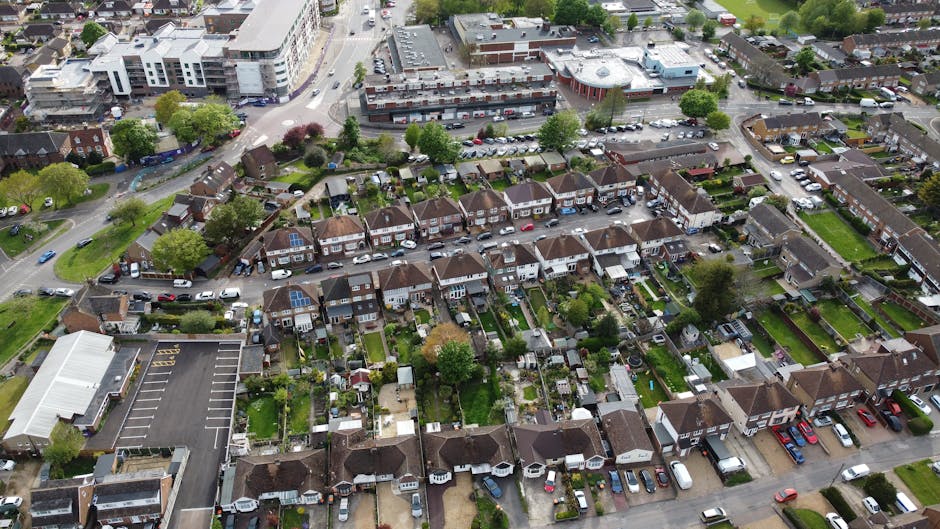
Lewisham Council Rules Gardeners Need to Know in Brockley
If you garden in Brockley, there's more to think about than planting, pruning, and keeping the lawn looking sharp. The local council rules can affect what you cut, when you work, how you dispose of waste, and whether certain jobs need permission. Get this wrong and a simple tidy-up can turn into a delay, a complaint, or an expensive do-over. Get it right, and the job is smoother, safer, and far less stressful.
This guide breaks down the practical side of Lewisham Council rules gardeners need to know in Brockley in plain English. It is written for homeowners, landlords, tenants, and anyone arranging garden work locally. You'll find the key issues to watch for, the usual pitfalls, and a sensible step-by-step way to stay compliant without overcomplicating things. Truth be told, most problems are avoidable once you know what matters.
Contents
- Why Lewisham Council rules gardeners need to know in Brockley Matters
- How Lewisham Council rules gardeners need to know in Brockley Works
- Key Benefits and Practical Advantages
- Who This Is For and When It Makes Sense
- Step-by-Step Guidance
- Expert Tips for Better Results
- Common Mistakes to Avoid
- Tools, Resources and Recommendations
- Law, Compliance, Standards, or Best Practice
- Options, Methods, or Comparison Table
- Case Study or Real-World Example
- Practical Checklist
- Conclusion
- Frequently Asked Questions
Why Lewisham Council rules gardeners need to know in Brockley Matters
Brockley has a mix of Victorian terraces, shared boundaries, mature trees, narrow streets, and busy daily life. That combination makes garden work a little more sensitive than it first looks. A hedge trim, tree reduction, or clearance job can affect neighbours, footpaths, wildlife, and waste collection in ways people often forget until there's a problem.
The council's rules matter because they help keep jobs safe and orderly. They can influence how waste is handled, whether a tree is protected, whether you can carry out certain works in a conservation area, and how you avoid nuisance from noise or blocked pavements. Even when a job seems small, local expectations still apply. A quiet rear-garden tidy on a Tuesday morning is one thing; a noisy machine at the wrong time with branches hanging over next door is another entirely.
In our experience, the most common issues are not dramatic legal breaches. They are small oversights: not checking tree status, leaving arisings in the wrong place, or starting work without thinking about access and neighbour impact. Annoying, yes. But also very preventable.
Practical takeaway: In Brockley, good gardening is not just about the finish. It is also about permissions, waste, safety, and respect for shared space.
How Lewisham Council rules gardeners need to know in Brockley Works
There is no single "gardeners permit" that covers everything. Instead, different rules kick in depending on the type of work. That's what catches people out. One task may be entirely routine, while another nearby could need checks before a spade even goes in the ground.
1. Tree and hedge work can have planning implications
If a tree is protected by a Tree Preservation Order or sits in a conservation area, you may need to notify or seek approval before cutting it back, reducing it, or removing it. This matters most for established trees, street-facing trees, and mature specimens that give a street its character. A quick trim is not always "just a quick trim".
Hedge work is usually simpler, but if it involves a boundary dispute, highway obstruction, or very large overgrowth, it can quickly become a neighbour and access issue rather than a pure gardening task. For planned work of that kind, many people pair regular upkeep with professional hedge trimming or broader garden maintenance so the property stays under control all year.
2. Waste must be stored and removed properly
Garden waste is one of those things that seems simple until it isn't. Branches, clippings, soil, turf, timber, and old planters each need the right handling. Leaving waste piled on the street, blocking a pavement, or mixing garden waste with general rubbish can create an issue. For larger jobs, a proper clearance plan matters more than people think.
That is one reason residents often use garden clearance services when tackling overgrowth, seasonal cutbacks, or a full reset after a long period of neglect. It keeps the work efficient and reduces the chance of mess spilling into the public realm. And let's face it, no one likes a garden that looks tidy only until the bags start stacking up outside.
3. Noise, timing, and neighbour impact still matter
Garden work can be noisy. Petrol tools, hedge trimmers, saws, chipper units, and lawn mowers all make a noticeable difference in a tight urban setting. If you are planning work early in the morning, late in the evening, or on a Sunday, think carefully about how it will sound next door. Councils and neighbours both expect common sense, even when the task itself is allowed.
4. Safety is part of compliance
In practical terms, many gardening jobs are also small construction or maintenance jobs. That means slips, trip hazards, sharp tools, dust, falling branches, and unstable ground may all be in play. If you want work done properly, use people who think about access, barriers, PPE, and safe lifting, not just appearance. For reassurance around contractor standards, it helps to review insurance and safety and the site's health and safety policy.
Key Benefits and Practical Advantages
Following the local rules does more than keep you out of trouble. It makes the whole job better.
- Fewer delays: You avoid stopping work halfway because a tree needs checking or access is blocked.
- Less neighbour friction: Clear communication and tidy waste handling prevent the sort of awkward conversations nobody enjoys.
- Better results: Legal and practical planning leads to cleaner, more consistent garden work.
- Lower risk: Safety-aware jobs reduce the chance of injury or damage to fences, sheds, cars, and paving.
- More predictable costs: Jobs are easier to quote accurately when permissions and waste volumes are understood upfront.
There is also a quieter benefit: confidence. When you know what council rules may apply, you can make decisions faster and with less second-guessing. That is worth a lot when a garden is already becoming a bit of a jungle after a wet spell.
If your project is part of a bigger refresh, it can also help to look at the wider service picture first. A sensible starting point is the services overview, especially if you are weighing up maintenance, clearance, planting, or a more structural change.
Who This Is For and When It Makes Sense
This matters to more people than you might expect.
- Homeowners who want to prune, tidy, or redesign a garden without triggering avoidable problems.
- Landlords who need outdoor areas kept presentable between tenancies.
- Tenants who have garden upkeep responsibilities and want to stay within the rules of the property and the area.
- Property managers handling shared gardens, access routes, or boundary trees.
- Older residents or busy families who want reliable help with jobs that are physically awkward or time-sensitive.
It makes sense to think about council rules before any of the following:
- tree reduction or removal
- major hedge cutting near a boundary
- full garden clearance
- decking or hard landscaping close to boundaries
- large-scale lawn renovation
- work that affects shared access or the pavement
For example, if you are planning new outdoor seating or a raised structure, you may be dealing with more than planting and pruning. A project like that can overlap with decking services or broader landscaping, where care is needed around drainage, access, and nearby trees. Not glamorous stuff, but important.
Step-by-Step Guidance
Here is a practical way to approach garden work in Brockley without missing the obvious.
Step 1: Identify the exact job
Start by writing down what you actually want done. "Sort the garden out" is too vague. Better to separate it into tree work, hedge cutting, lawn care, clearance, repair, planting, or resurfacing. This helps you spot which rules might apply.
Step 2: Check whether the work affects a tree or boundary
If a mature tree is involved, pause before cutting. Ask whether it is protected, whether it sits in a conservation area, and whether the work is likely to change the tree's shape or health significantly. If the task is boundary-facing, think about neighbour consent, overhanging branches, and who owns what. Ownership issues can be messy. Very messy.
Step 3: Plan waste before work starts
Decide where cuttings, soil, and broken materials will go. If there is a lot of material, arrange removal in advance. A tidy pile in the back garden can turn into a bottleneck once the work begins. Good clearance planning is one of the simplest ways to keep the job compliant and calm.
Step 4: Protect access and surfaces
Use boards or careful routing where needed so heavy tools or loads do not ruin paths, lawns, or paving. Brockley gardens often have narrow side returns and tight rear access, so the route matters. One cracked slab or muddied hallway later, everybody's in a worse mood.
Step 5: Keep noise and timing sensible
If the job involves machinery, choose a time that reduces disruption. Early mornings on a busy terraced street are rarely a great idea. The work may be allowed, but that does not mean it will be welcomed. Common sense still carries a lot of weight.
Step 6: Finish with a proper tidy and check
Once the tools are down, check for leftover debris, sharp offcuts, blocked drains, and loose ties or canes. Small details matter here. It is the difference between "done" and "done properly".
Expert Tips for Better Results
Some of the best results come from decisions made before the first cut.
- Work from the outside in. Deal with access, waste, and hazards before focusing on the neat finish.
- Use seasonal judgement. A heavy cut in wet weather can churn up soil and damage lawns. In a dry spell, it may be easier to remove waste cleanly. Tiny timing choices add up.
- Respect nesting and wildlife signs. If a hedge or tree seems active with birds or other wildlife, stop and assess carefully. Better safe than sorry.
- Keep hedge lines and boundary edges clear. This prevents disputes and improves the whole look of the garden.
- Don't overcut. It is tempting to "just take a bit more off", but over-pruning can weaken plants and make them look harsh for months.
If you want consistent standards over time, routine upkeep is usually better than occasional heroic rescue missions. A regular visit for lawn mowing or ongoing garden maintenance can keep the whole space manageable, which in turn makes compliance easier. Less drama. Fewer surprises.
Common Mistakes to Avoid
These are the ones that keep cropping up.
- Assuming all tree work is simple. It is not. Protected trees and conservation area rules can change the whole process.
- Leaving garden waste on the street. Even temporarily, this can create obstruction or nuisance.
- Ignoring neighbours. Overhanging branches, shared fences, and loud machinery are all things people notice quickly.
- Using the wrong method for the job. A heavy clearance approach is not always appropriate for a delicate border or mature planting.
- Skipping safety checks. Slippery patios, hidden cables, unstable soil, and buried objects can turn a routine job into a problem.
- Forgetting future maintenance. A neat result that is impossible to maintain is not really a win.
A slightly humorous but true line: gardens have a way of punishing optimism. You think it's only a quick cut back, and suddenly there's a mountain of green waste and a hedge with opinions.
Tools, Resources and Recommendations
You do not need fancy equipment to stay compliant. What you do need is a sensible setup.
| Need | Best approach | Why it helps |
|---|---|---|
| Tree or hedge work | Assess before cutting, especially for mature or boundary-facing growth | Reduces the risk of damaging protected or shared planting |
| Waste removal | Plan clearance early and separate green waste from mixed rubble | Makes disposal cleaner and easier to manage |
| Routine upkeep | Use scheduled maintenance rather than occasional large interventions | Prevents overgrowth and keeps the garden under control |
| Safety and access | Protect paths, steps, and side returns before work begins | Helps avoid damage and reduces trip hazards |
| Garden redesign | Check whether the project needs landscaping or decking support | Ensures structure, drainage, and layout are considered properly |
For larger or more awkward jobs, it is often worth looking at related services before work starts. Garden clearance can remove the bulk, while landscape gardening can help reshape the space in a way that is practical, not just pretty. And if you are trying to keep on top of regular tidying, lawn mowing and hedge work can stop little issues becoming big ones.
Law, Compliance, Standards, or Best Practice
This part needs a careful tone because local rules can involve more than one area of law or policy. In Brockley, garden work may touch on planning controls, tree protection, highway and pavement safety, waste handling, neighbour rights, and contractor duties. The exact requirement depends on the job, the property, and sometimes the street itself.
Good best practice usually includes the following:
- check whether a tree is protected before pruning or removal
- avoid obstructing pavements, shared paths, or driveways with waste or equipment
- dispose of green waste responsibly and keep it separate where practical
- use safe working methods for lifting, cutting, and access
- keep clear communication with neighbours where the work may affect them
- use insured contractors for higher-risk jobs or anything involving height, chainsaws, or significant removal
One detail people often miss: compliance is not only about permission. It is also about how the work is executed. A permitted job can still be poorly done if it leaves debris, damage, or avoidable disruption behind. That is why it helps to choose people who treat safety and process as part of the job, not an afterthought.
Options, Methods, or Comparison Table
Different types of garden work suit different approaches. Here is a simple comparison that helps with decision-making.
| Method | Best for | Pros | Watch-outs |
|---|---|---|---|
| DIY maintenance | Small lawns, light pruning, basic tidying | Low cost, flexible timing | Easy to miss tree rules or waste handling issues |
| Professional maintenance visit | Regular upkeep, hedge shaping, lawn care | Consistent finish, less stress | Needs clear instructions and access |
| One-off clearance | Overgrown gardens, post-tenancy tidying, neglected plots | Fast transformation, removes bulk waste | Can be disruptive if planning is poor |
| Landscape or redesign project | Layout changes, hard landscaping, new features | Improves long-term usability | May involve more checks around drainage, trees, and boundaries |
If the garden is a mess and you do not know where to begin, clearance first is often the simplest answer. If the space is already manageable, ongoing maintenance can be better value. And if the design itself is the problem, then structural changes may be worth the extra effort. There is no one-size-fits-all answer, which is annoying but true.
Case Study or Real-World Example
Picture a typical Brockley rear garden after a long wet season. The lawn is patchy, the hedge has grown across the neighbour's side, and an old tree in the corner is dropping heavy branches. The owner wants it all sorted in one weekend.
On paper, that sounds straightforward. In practice, a careful approach is better. First, the tree is checked before any major pruning. Then the hedge line is assessed so the cut keeps the boundary tidy without stripping too much growth at once. The lawn is mown only after the surface has dried enough to avoid ruts. Finally, all waste is removed in one go rather than left in bags near the alley.
The result is calmer for everyone. The garden looks transformed, the neighbour has not been inconvenienced, and there is no awkward leftover mess outside the house on Monday morning. Small thing? Maybe. But that is often how a good job looks: sensible, not dramatic.
This is also where a broader service plan helps. A one-off tidy can be followed by regular visits from garden maintenance or, where needed, specialist tree lopping and removal work carried out with the right checks in place.
Practical Checklist
Use this before any meaningful garden job in Brockley.
- Confirm exactly what work is being done.
- Check whether any tree may be protected or in a conservation area.
- Think about neighbour impact, especially for noise and overhanging growth.
- Plan where waste will go before the first cut starts.
- Keep pavements, driveways, and shared access clear.
- Use safe methods for ladders, cutting tools, and heavy lifting.
- Separate green waste from rubble, timber, or general household rubbish.
- Schedule the job at a sensible time of day.
- Inspect the finished area for debris, damage, and trip hazards.
- Set a follow-up plan so the garden does not slip straight back into chaos.
If your project is larger than expected, it may be worth comparing costs and scope first. A quick look at pricing and quotes can help you understand how different jobs are typically approached. Not every garden needs a major intervention, but when it does, clarity saves a lot of bother.
Conclusion
Lewisham Council rules gardeners need to know in Brockley are not there to make life awkward. They exist to protect trees, keep streets usable, reduce nuisance, and make sure garden work is carried out safely and responsibly. Once you understand the basic moving parts, the whole thing becomes much easier to manage.
The main lesson is simple: check first, cut second. That applies to trees, waste, access, timing, and neighbour impact. Do that well and you will avoid most of the headaches people associate with local garden work. Better still, the garden usually ends up looking calmer, healthier, and much easier to maintain through the seasons.
Get a free quote today and see how much you can save.
If you would like a local team that understands the practical side of garden work in Brockley, take a look at about us and the wider service offering. Sometimes the best result is simply having the job handled properly the first time.
Frequently Asked Questions
Do I need permission to cut back a tree in Brockley?
Sometimes, yes. If the tree is protected by a Tree Preservation Order or sits in a conservation area, extra checks may be needed before pruning, reducing, or removing it. It is safest to assess the tree first rather than assuming routine work is fine.
Can I put garden waste on the pavement while waiting for collection?
Usually not in a casual "leave it there for a while" sense. Waste should be handled carefully so it does not obstruct the pavement, create a hazard, or cause nuisance. For larger jobs, plan removal in advance rather than improvising.
Are hedge trimming jobs usually affected by council rules?
They can be, especially if the hedge borders a pavement, affects visibility, crosses a boundary, or forms part of a wider protected landscape. Routine hedge trimming is often straightforward, but the setting matters a lot.
What should I do before starting a big garden clearance?
Check the size of the waste, whether anything is protected, and how access will work. Clearance jobs often go smoother when waste handling is organised from the start, particularly in tighter Brockley streets.
Does the council care about noisy gardening tools?
Yes, in the practical sense that noise and timing affect neighbours and can become a complaint issue if handled badly. The work may be allowed, but it still needs to be considerate. A bit of judgement goes a long way.
Can I remove a small tree myself?
Possibly, but only after checking whether it is protected and whether the task is genuinely safe for you to do. Small trees can still be awkward, unstable, or close to hidden cables and structures. People often underestimate that.
What is the safest way to handle overgrown gardens near fences?
Work slowly, identify boundaries first, and avoid cutting blindly into shared or near-boundary growth. If the area is very overgrown, a staged approach is usually better than trying to force everything in one go.
Are lawn mowing and regular maintenance useful for compliance?
Indirectly, yes. Regular upkeep keeps the garden manageable, reduces waste build-up, and makes it easier to spot issues before they become bigger problems. It also makes access and safety much simpler during each visit.
When should I choose landscaping rather than maintenance?
If the layout, drainage, or usability of the garden is the issue, landscaping may be the better route. If the space is basically fine but overgrown or tired, maintenance is usually enough. The difference is in the scale of the problem.
How do I know whether a job needs a professional gardener?
If the work involves height, heavy waste, mature trees, tight access, or anything that affects neighbours or the street, a professional is usually the sensible option. Smaller jobs can be DIY, but once risk or complexity rises, it is worth getting help.
What is the biggest mistake people make with local garden work?
Assuming a garden task is "just gardening" and nothing else. In reality, tree protection, waste handling, access, timing, and safety can all come into play. That one assumption causes a lot of avoidable headaches.
How can I keep garden work simple in the future?
Use a regular maintenance plan, deal with waste promptly, and keep an eye on trees and hedges before they get out of hand. A little steady attention beats a dramatic rescue every time. Honestly, the garden prefers it too.