Emergency garden clearance Brockley SE4 callouts and pricing
If a garden has suddenly become unsafe, unusable, or simply overwhelming, you need clear answers fast. Emergency garden clearance Brockley SE4 callouts and pricing can feel urgent for all sorts of reasons: a storm has brought down branches, overgrowth is blocking access, waste has piled up after a move, or a property needs to be made presentable at short notice. In those moments, people do not want vague promises. They want to know what happens next, how quickly help can arrive, and what the likely cost will be.
This guide explains the full picture in plain English. You will see how emergency callouts usually work, what affects pricing, which jobs justify a fast-response visit, and how to avoid paying more than necessary. We will also cover practical preparation, safety considerations, and what a proper clearance should include. Truth be told, the difference between a calm, tidy fix and a stressful one often comes down to a few small decisions made early.
Table of Contents
- Why emergency garden clearance matters
- How emergency clearance callouts and pricing work
- Key benefits and practical advantages
- Who this is for and when it makes sense
- Step-by-step guidance
- Expert tips for better results
- Common mistakes to avoid
- Tools, resources and recommendations
- Law, compliance, standards and best practice
- Options, methods and comparison table
- Case study or real-world example
- Practical checklist
- Conclusion
- Frequently asked questions
Why emergency garden clearance matters
An emergency garden clearance is not just a tidying job with a quicker turnaround. It is usually about restoring safe access, preventing further damage, and reducing risk. In Brockley SE4, where gardens can sit close to fences, side passages, alleyways, and neighbouring properties, overgrown or damaged outdoor space can create problems very quickly. A blocked path after a windstorm, a fallen tree limb leaning into a boundary, or a mass of wet cuttings piling against a wall can become more than an eyesore. It can become a trip hazard, a security issue, or a source of damp and pests.
Pricing matters too, because emergency work often needs to be decided on the spot. If you know the basic callout structure and the main cost drivers, you are in a much better position to judge whether a quote feels fair. That does not mean choosing the cheapest option blindly. It means understanding what you are paying for: speed, labour, waste handling, equipment, and sometimes extra caution where access is awkward or the material is heavy.
To be fair, most people only search for this kind of help when things have already gone sideways. A garden that was "fine for now" suddenly becomes a mess after a stormy evening, or a property sale stalls because the outside area looks neglected. This is exactly when a good emergency clearance can save time, stress, and a bit of embarrassment as well.
If you need a broader overview of available work, the services overview is a sensible place to understand how clearance fits alongside maintenance and other outdoor work. For routine follow-up after the urgent job, the garden maintenance service is often the next practical step.
How emergency clearance callouts and pricing work
Emergency garden clearance is usually arranged in a few stages. First comes the initial contact, where you explain what has happened and what the garden currently looks like. A good provider will ask practical questions: Is there blocked access? Is there fallen timber? Are any branches touching a building or power line? Is the issue urgent for safety, access, tenancy, or sale preparation? Those questions are not fuss for the sake of it; they help the team decide the right equipment and whether the job needs immediate attendance.
Next comes the callout assessment. In some cases, the team can give a rough price from your description and a few photos. In others, they may need to visit before confirming the job. Emergency pricing often reflects urgency, travel, labour intensity, and disposal costs. A quick response in the middle of the afternoon is not the same as a planned clearance booked a few days out. That is simply how most local services price their time.
The actual work usually includes removing green waste, cutting back overgrowth, making paths and entrances usable, and clearing bulky material such as broken pots, branches, or old planting debris. If the job involves tree-related hazards, such as large limbs or a partially fallen tree, it may also involve specialist handling. In those situations, a service like tree lopping and removal may be the safer route.
Pricing is rarely one flat figure because every emergency is a little different. The most common factors are:
- the amount of waste to remove
- the urgency of the callout
- access to the garden and vehicle loading point
- whether manual loading is required
- the type of material, especially wet or heavy waste
- extra time for sorting, cutting, or moving debris
- disposal and recycling costs
A useful rule of thumb: if the job can be done safely with standard labour and a straightforward load-out, it is likely to be simpler to price. If it needs careful dismantling, extra hands, or awkward movement through a narrow side return, the quote will usually rise. Nothing mysterious there.
If you want to compare service details or ask for a quote, you can review pricing and quotes alongside the main garden clearance service information.
Key benefits and practical advantages
Emergency clearance is about more than getting rid of mess. Done properly, it gives you immediate practical gains.
- Safer access: paths, steps, and side passages become easier to use again.
- Reduced risk: loose branches, unstable piles, and hidden hazards are dealt with before someone gets hurt.
- Better property presentation: useful for landlords, sellers, and anyone trying to regain control of an outdoor space.
- Less stress: a large, chaotic garden can feel oddly draining. Getting it cleared quickly lifts a weight off your shoulders.
- Improved next-step planning: once the emergency is handled, follow-up work such as hedge trimming or lawn recovery becomes easier.
There is also a practical financial benefit. Emergency situations that are left alone often get more expensive. Fallen branches dry out and become harder to move. Damp green waste starts to smell. Overgrowth can spread. In some cases, a minor problem in the morning becomes a bigger one by the weekend. Let's face it, gardens are very good at turning "later" into "more work".
Where a garden needs a reset after clearance, you may find that hedge trimming, lawn mowing, or even some light landscaping helps stop the same issue coming back too quickly.
Who this is for and when it makes sense
Emergency clearance makes sense for anyone whose garden has become unsafe, inaccessible, or time-critical. That includes homeowners, tenants, landlords, estate agents, letting managers, and businesses with small outdoor areas that need to be made presentable quickly.
Typical situations include:
- storm damage after strong wind or heavy rain
- overgrown access routes that block bins, deliveries, or repairs
- a sudden sale, check-out, or property inspection
- neglected gardens discovered after a tenancy ends
- fly-tipped garden waste or a build-up of cuttings
- collapsed planting, broken fencing debris, or unsafe branches
Sometimes the issue is not dramatic at all. I once heard a neighbour describe it as "just a jungle with a wheelbarrow problem" - which, oddly enough, was pretty accurate. If the garden can be restored with a same-day or next-day response, that may be the right call. If the job can wait and is not creating risk, a booked clearance might be more cost-effective.
If you are unsure, ask yourself three things: Is someone at risk? Is access blocked? Is the problem likely to get worse if left another few days? If the answer is yes to any of those, an emergency callout is probably justified.
Step-by-step guidance
Here is a simple way to handle an urgent garden clearance without making the day harder than it needs to be.
- Look at the risk first. Check for unstable branches, sharp debris, hidden glass, or anything near wires or structures. Do not start pulling on heavy or hanging material if it might shift suddenly.
- Take a few clear photos. Wide shots and close-ups help a team understand the scale quickly. One photo of the whole garden and one of the problem area is often enough to start.
- Explain access details. Mention side gates, narrow paths, stairs, parking limits, or shared entrances. Pricing often changes when loading is awkward.
- Ask what is included. Find out whether the quote covers labour, loading, disposal, and any light cutting or dismantling. A low price can look lovely until extras appear.
- Confirm timing. Ask when the team can arrive, how long the work is likely to take, and whether the job needs daylight to be done safely.
- Prepare the site. Move pets indoors, clear valuables, and keep children away from the working area.
- Walk through the result. Before the team leaves, check that access routes are clear, waste is removed, and any remaining items are agreed.
That sequence sounds basic, but it prevents a lot of confusion. In a rushed situation, clarity is worth more than polished words. A few minutes of explanation can save a much longer conversation later on.
Expert tips for better results
Good emergency clearances usually come down to preparation, judgement, and knowing where the real costs sit.
Give accurate detail from the start. If the garden contains a lot more waste than expected, the team may need extra time or a larger vehicle plan. Honest detail helps everyone. No one enjoys a surprise pile-up on arrival, especially when the rain is coming in sideways.
Separate urgent hazards from general mess. If a branch is actively threatening a fence, that should be described first. If the rest is just dense overgrowth, say so separately. This helps prioritise the response and may keep pricing sensible.
Ask about waste handling. Clearance is not only about removal. A responsible service will think about sorting and disposal in a way that avoids unnecessary landfill where possible. If sustainability matters to you, it is worth asking how green waste is handled. A local recycling and sustainability approach can be a useful sign of professionalism.
Think beyond the emergency. Once the urgent job is done, what stops it happening again? A quick tidy-up may be enough in the short term, but over time you may need trimming, mowing, pruning, or a small redesign. Some gardens need maintenance, not just rescue.
Do not underestimate access. A small job in a large open garden may be quick, but a modest pile of waste in a tight terrace back garden can take longer than expected. London gardens can be charming, yes, but they can also be a bit awkward. That is part of the charm. And part of the pricing.
Common mistakes to avoid
People often make the same few errors when trying to arrange urgent clearance. Avoiding them can save money and frustration.
- Choosing only on price: the cheapest quote is not always the best value if it excludes waste removal or rush timing.
- Not mentioning access issues: narrow gates, long carries, and parking limits all affect the job.
- Trying to move dangerous material yourself: heavy limbs, thorny growth, and hidden sharp objects can bite back. Quite literally.
- Assuming all green waste is the same: wet, compacted, or mixed waste takes more time to load and dispose of.
- Skipping the follow-up plan: if the underlying growth problem is ignored, the garden can slip back fast.
A smaller but common mistake is failing to ask what "clearance" actually means in the quote. Does it mean removal only? Cutting back too? Bagging? Sweeping? The answer matters. So ask.
Tools, resources and recommendations
For most homeowners, the best "tools" are not saws and spades. They are good photos, a clear description, and a realistic sense of the garden's condition. Still, it helps to know what a clearance team may use so you understand the process.
- Heavy-duty sacks and tubs for collecting loose material
- Secateurs, loppers, and saws for controlled cutting back
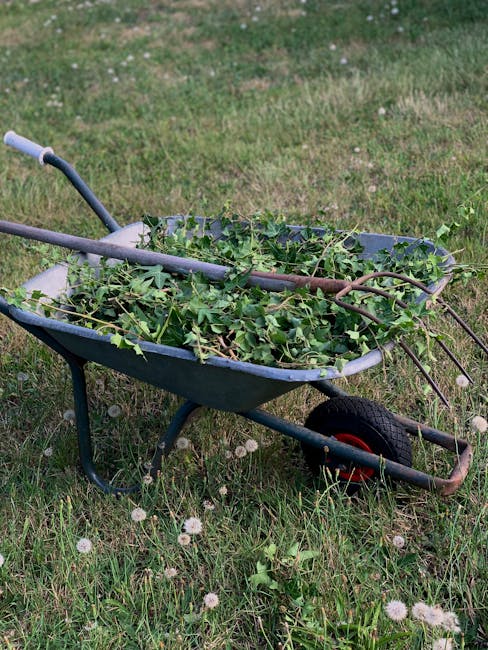
- Wheelbarrows and carry gear for moving waste safely
- Protective gloves and safety equipment for handling thorny or sharp debris
- Vehicle loading equipment where large volumes need removal
On the planning side, these pages can also help you think through related work once the emergency is dealt with: garden maintenance for ongoing control, hedge trimming for boundary growth, and lawn mowing when the grass has been left to run away a little.
If the garden has structural elements that are part of the wider tidy-up, the decking services and landscape gardening pages are useful for longer-term improvements after the clearance is complete.
Law, compliance, standards and best practice
Emergency garden clearance is practical work, but it still sits within normal UK expectations around safety, waste handling, property access, and fair trading. You do not need to become a compliance expert to book a job, but a few basics are worth knowing.
Safety first: any work involving unstable branches, height, or concealed hazards should be handled cautiously. If there is a risk to buildings, people, or adjacent property, a proper assessment is essential before work begins. It sounds obvious, but in a rush people sometimes rush past the obvious. Not ideal.
Waste handling: garden waste should be disposed of responsibly, and mixed waste should be separated where practical. If a clearance includes timber, soil, or non-green debris, that may affect both time and disposal method. A professional team should be able to explain this without jargon.
Insurance and professional practice: it is sensible to use a provider that can demonstrate suitable insurance and safe working practices. If a job is near a boundary, wall, or structure, that matters even more. You can review the company's own approach through its insurance and safety information and related health and safety policy.
Contracts and payment: for emergency work, especially where pricing is based on access and volume, ask for the scope to be clear before work starts. The payment and security and terms and conditions pages are helpful for understanding how a business sets expectations around payment and service delivery.
If you are comparing providers, the business background can matter as much as the quote. A straightforward about us page often tells you whether the company is built around practical local work or just generic lead capture. Small clue, but useful.
Options, methods and comparison table
Not every urgent garden problem needs the same response. A quick comparison helps set expectations.
| Option | Best for | Typical strengths | Possible drawbacks |
|---|---|---|---|
| Same-day emergency callout | Blocked access, storm damage, safety hazards | Fast response, immediate risk reduction | Usually higher cost due to urgency |
| Next-day clearance | Urgent but stable garden mess | Balanced speed and pricing | May not suit active hazards |
| Planned clearance | Overgrowth, bulky waste, post-tenancy tidy-ups | More flexible scheduling, often better value | Too slow for dangerous or access-blocking issues |
| Clearance plus follow-up maintenance | Gardens that keep sliding back into disorder | Better long-term control, less repeat work | Higher initial spend, though often sensible overall |
In practice, the best choice is the one that matches the actual problem. If a branch is down across a path, waiting for a "cheaper" slot is usually false economy. If the issue is mainly cosmetic and not urgent, there is no need to overpay for a rush response.
Case study or real-world example
Here is a realistic example based on the kind of situation that comes up often in local garden work.
A small SE4 rear garden has been hit by heavy wind overnight. A mature shrub has split, several large branches are lying across the lawn, and the back path is partly blocked. The homeowner needs the garden safe before guests arrive at the weekend, but the main concern is access to the rear gate and bins. The team is sent clear photos, the access route is explained, and the job is booked as an urgent clearance rather than a full redesign.
On arrival, the first task is to make the route safe. The larger branches are cut down into manageable sections, then removed along with the wet cuttings and loose debris. The path is swept through, the waste is loaded, and the garden is left usable. The total cost reflects the quick response, the volume of material, and the fact that the carry distance is short. If the same job had involved a long carry through a narrow passage and a lot of compacted waste, the price would likely have been higher.
The key point? The right callout can solve the immediate problem without turning it into a bigger project than necessary. That is often the sweet spot.
Practical checklist
Use this checklist before you book an emergency clearance.
- Identify whether the issue is unsafe, blocked, or simply untidy
- Take photos of the garden from several angles
- Note gates, steps, parking, and any narrow access points
- List any trees, large branches, or heavy items involved
- Ask what the price includes: labour, loading, disposal, and cutting back
- Confirm the expected timing of the callout
- Move pets, valuables, and breakables out of the way
- Check whether follow-up maintenance will be needed after the clearance
- Ask how waste will be handled or recycled
- Make sure you understand the payment terms before work begins
Expert summary: the best emergency clearance is fast, clear, and proportionate. You should not feel pressured into extra work you do not need, but you also should not delay a genuine hazard just to save a few pounds. Balance matters here.
Get a free quote today and see how much you can save.
Conclusion
Emergency garden clearance in Brockley SE4 is really about getting life back to normal quickly and safely. When a garden becomes blocked, dangerous, or unmanageable, a good callout should restore access, remove risk, and give you a sensible pricing explanation without drama. That is what you want: straight answers, practical work, no nonsense.
If you remember only one thing, let it be this: the cheapest rush job is not always the best deal, and the fastest response is not always the right response either. The best choice sits somewhere in the middle, with clear scope, sensible timing, and proper waste removal. If that sounds simple, it is. But simple done well is often exactly what you need.
And once the dust, leaves, and loose branches are gone, you get that rare, satisfying feeling of seeing the garden properly again. Quietly better. Which, on a damp London afternoon, can feel like a small victory.
Frequently Asked Questions
What counts as an emergency garden clearance?
Anything that creates immediate risk, blocks access, or needs urgent attention can count as an emergency. Common examples include storm damage, fallen branches, unsafe overgrowth, and waste blocking entrances or paths.
How much does an emergency garden clearance cost in Brockley SE4?
Pricing depends on the size of the job, access, urgency, waste volume, and whether extra cutting or manual loading is needed. A quote is usually the best way to get a reliable figure because emergency work varies so much from one garden to the next.
Why do emergency callouts cost more than planned clearance?
They often involve rapid scheduling, immediate labour availability, and more complex logistics. In other words, you are paying for speed and responsiveness as well as the work itself.
Can I get a quote from photos?
Often, yes. Clear photos help a lot, especially if you include wide shots, access points, and the main problem area. If the garden is difficult to judge from pictures alone, an on-site visit may still be needed.
What should I do before the team arrives?
Move pets and valuables, keep children away from the work area, and make sure the access route is as clear as possible. If there are obvious hazards, point them out when the team arrives.
Will the clearance include waste removal?
It usually should, but you should always confirm this. Some quotes include labour and disposal together, while others separate them. Ask before the work starts so there are no surprises later.
Is emergency garden clearance safe after storm damage?
It can be, but only if the situation is assessed properly. If branches are unstable or near a structure, the work should be handled carefully and with the right equipment. Never pull on heavy or hanging material yourself unless you are completely sure it is safe.
Do I need planning permission for garden clearance?
Most routine clearance work does not need planning permission. However, if the job involves protected trees, significant structural changes, or work on shared boundaries, it is wise to check the situation carefully first.
How quickly can an emergency callout be arranged?
That depends on workload, the severity of the issue, and the time of day. Some jobs can be handled the same day, while others are best arranged for the next available slot. If the issue is safety-related, say so clearly.
What if the garden is not really an emergency?
Then a standard clearance or maintenance booking may be better value. If the issue is mainly untidy rather than unsafe or urgent, there is usually no need to pay for a rush response.
How can I keep the garden from getting back into a mess?
A regular maintenance plan is the simplest way. Light pruning, hedge care, grass cutting, and seasonal tidying all help prevent the kind of build-up that turns into a bigger job later. Small and steady beats panic and scramble, nearly every time.
Who should I contact if I want to discuss my job properly?
If you want to talk through the scope, timing, or pricing before booking, use the contact us page. For general background on the business, the about us page is also helpful.