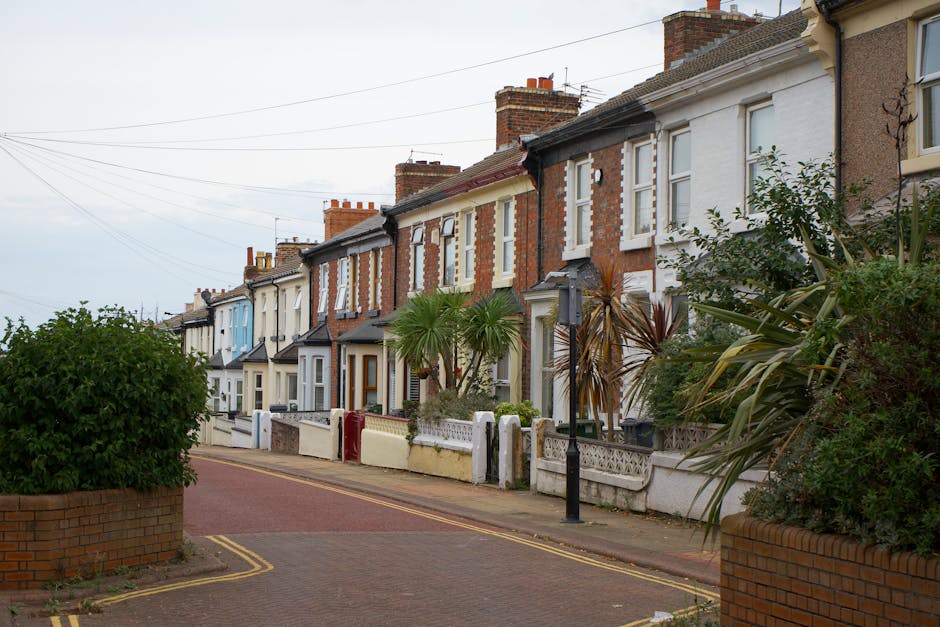
Best gardeners for terraced homes near Brockley Market
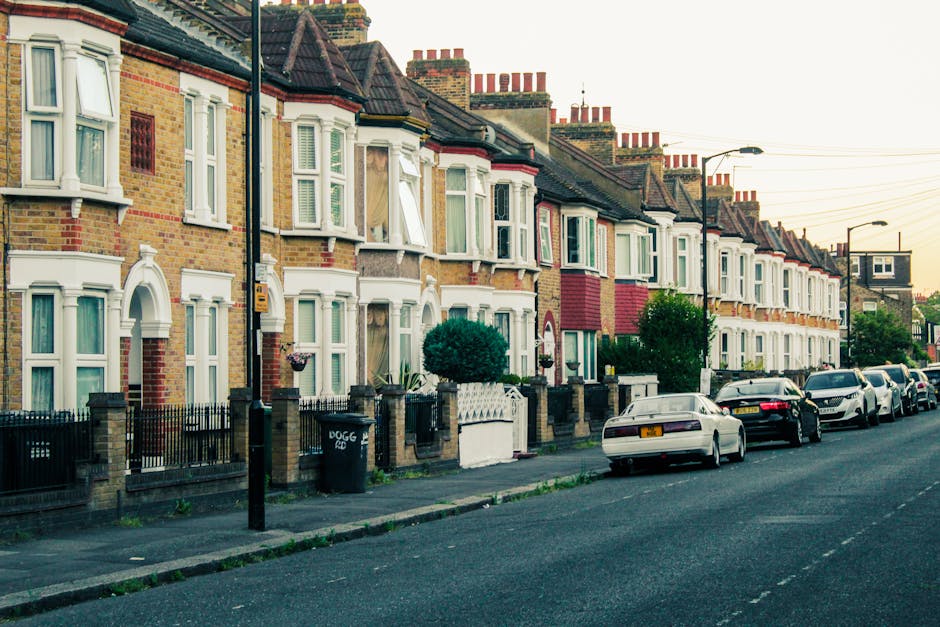
If you live in a terraced home near Brockley Market, you already know the garden can be a blessing and a bit of a puzzle. Space is tight, access can be awkward, neighbours are close by, and a "quick tidy-up" often turns into a proper rethink of how the whole outdoor area works. The best gardeners for terraced homes near Brockley Market understand that reality. They do not just mow, prune, and leave. They make small gardens feel calmer, easier to maintain, and more usable from one week to the next.
This guide breaks down what to look for, how the work typically happens, and where local experience really pays off. You will also find a practical checklist, a comparison table, common mistakes, and a real-world example to help you judge whether a gardener is the right fit for your home. Truth be told, the right person can make a compact garden feel twice as sensible without making it feel over-designed.
Why Best gardeners for terraced homes near Brockley Market Matters
Terraced gardens are a different beast from larger suburban plots. They often have narrow paths, limited turning space, awkward side access, and a layout that has evolved in layers over years. A good gardener sees all that and immediately starts thinking in terms of flow, maintenance, light, privacy, and how the space will actually be used on a rainy Thursday afternoon in south-east London.
Near Brockley Market, you also tend to see a mix of mature planting, older brick boundaries, compact rear gardens, and homes where every square metre counts. That matters because the wrong approach can make a small garden feel even smaller. Heavy-handed clearance, poor plant choices, or repeated over-trimming can strip away character. By contrast, a gardener who knows terraced properties can improve structure without flattening the personality of the space.
There is also the practical side. In a terrace, a noisy, messy job affects more than one household. Good gardeners plan around access, waste removal, and tidiness. They are careful with timing, courteous with neighbours, and realistic about what can be achieved in a single visit. That kind of experience is worth a lot, especially if you want predictable upkeep rather than a one-off rescue job.
Expert summary: For terraced homes, the best gardeners are the ones who combine horticultural skill with small-space judgement. They know how to make a compact garden easier to live with, not just prettier for a day.
How Best gardeners for terraced homes near Brockley Market Works
In practice, hiring a gardener for a terraced home usually starts with a short assessment of the garden's condition and the limits of the site. That includes access, waste movement, the amount of shade, soil condition, drainage, and whether the garden needs regular upkeep or a bigger one-off reset. The most helpful gardeners will ask questions before they quote. That is a good sign, not an inconvenience.
For a home near Brockley Market, you may need a mix of services rather than a single task. For example, a garden might need hedge trimming along the boundaries, lawn mowing in a narrow rear run, selective pruning of shrubs, and a bit of garden clearance before the space can breathe again. In other cases, a small terrace may need low-maintenance planting or a simple landscaping update to stop it becoming a weekend burden.
The best local gardeners tend to work in stages:
- First, they assess what is there now and what is actually worth keeping.
- Second, they decide whether the job is maintenance, restoration, or a redesign of the space.
- Third, they prioritise access, waste, safety, and neighbour-friendly working.
- Finally, they set a realistic plan for ongoing upkeep so the garden does not slide backwards after two weeks. Happens all the time, frankly.
This is where a clear, professional service structure helps. A good starting point is a provider that offers a broad range of gardening services in Brockley, because terraced homes often need several tasks handled together rather than one isolated job.
Key Benefits and Practical Advantages
The biggest benefit is simple: a terraced garden becomes easier to use. A tidy, well-planned space feels calmer, looks bigger, and requires less effort to keep under control. That is not just cosmetic. When planting, borders, and access are managed properly, you spend less time wrestling with the garden and more time enjoying it.
Other practical advantages include:
- Better space use: compact gardens need clear edges, sensible planting, and paths that do not swallow the usable area.
- Less maintenance stress: the right pruning and planting choices reduce the constant cycle of cutting back and clearing up.
- Improved privacy: terraced homes often benefit from screening, layered planting, and thoughtful boundary treatment.
- Healthier growth: gardens with shade, reflected heat, and restricted airflow need a gardener who understands microclimates.
- Cleaner presentation: a crisp, well-kept garden improves first impressions, which is handy whether you are entertaining or thinking about resale down the line.
There is another benefit that does not get mentioned enough: confidence. A lot of homeowners know their garden feels "off" but cannot quite say why. A strong gardener can identify the issue quickly. Maybe the border is too deep. Maybe the lawn is struggling because the light is poor. Maybe the whole thing needs clearing to reset the structure. Once that is identified, the rest gets much easier.
If you are looking for ongoing upkeep, regular garden maintenance can be a smarter choice than letting problems build up and then paying for a much bigger rescue later. Let's face it, gardens do not usually fix themselves.
Who This Is For and When It Makes Sense
This service is ideal if you own or manage a terraced home and want the garden to feel more manageable, more attractive, or both. It is especially useful for people who do not have the time, tools, or physical bandwidth to keep on top of regular work. Not everyone has the patience for pruning a tangle of shrubs after work on a Wednesday evening. Fair enough.
It also makes sense if you are in one of these situations:
- The garden has become overgrown or cluttered.
- You have recently moved in and inherited a garden that needs a clean start.
- You want privacy from neighbouring windows without turning the space into a bunker.
- You need a low-maintenance setup for a busy household.
- You are planning to improve the property before selling or letting it.
- You have a small garden that looks fine in summer but feels bare, muddy, or awkward for the rest of the year.
Terraced homes near Brockley Market often sit within dense residential streets, so visual balance matters as much as function. If your garden is overlooked, shaded, or oddly long and thin, a skilled gardener can help you work with the shape rather than against it. That is where local judgement really counts.
Step-by-Step Guidance
If you want the best result, do not start with "what can you cut down?" Start with "what do I want this space to do?" That one shift saves a lot of wasted effort.
1. Define the main job
Decide whether you need maintenance, clearance, planting, repair, or a broader redesign. For example, a terrace with persistent weeds and an overcrowded border may need clearing before any proper planting can begin. If you skip that step, the nice new plants end up fighting for space, and nobody wants that.
2. Look closely at access and layout
Measure narrow gates, side passages, and any awkward corners. A good gardener will want to know how waste can be moved, where tools can be stored, and whether large items need to be carried through the house. This is not fussy; it is practical.
3. Check what is already working
Old shrubs, climbers, and mature trees can be assets, even if the rest of the garden is messy. The best gardeners for terraced homes near Brockley Market will usually keep useful structure and remove only what is blocking the garden's potential.
4. Ask how they handle seasonal changes
A compact London garden can look very different across spring, summer, and winter. Ask what they would do for shade, drainage, plant selection, and upkeep across the year. If the answer is vague, that is worth noticing.
5. Agree a realistic scope
Be clear on whether the job is a one-off visit or an ongoing service. The garden may need a first pass to reset it, followed by lighter maintenance. That staged approach is often more sensible than trying to force everything into one appointment.
6. Review the finishing plan
The end result should not just be neat. It should be maintainable. If a space looks great for two days and then becomes a chore, the design has failed a bit. A solid gardener will leave you with a garden you can actually live with.
Expert Tips for Better Results
The best gardens near terraced homes are rarely the fanciest. They are the ones that balance beauty with ease. A few well-judged decisions go a long way.
- Prioritise structure over clutter. In a small garden, too many features make the space feel busy. One clear path, one strong focal point, and a few good planting layers often work better than a dozen small ideas.
- Use planting that suits the light. London terraces can be surprisingly shady, especially where fences and adjacent buildings block the sun. Shade-tolerant plants are usually more reliable than "full sun" favourites that never quite settle.
- Keep access in mind. If bins, bikes, or storage crates need to pass through the garden, that has to shape the layout from the start.
- Do not over-trim everything. A garden that has every edge shaved into submission can lose depth and seasonal interest. Small spaces need a bit of softness.
- Think about privacy early. Screen planting, climbers, or smart boundary treatment can make a huge difference. One neighbour's upstairs window can change how the whole garden feels at 7pm in summer.
A tiny practical tip: ask your gardener how they would keep the garden looking tidy between visits. That answer tells you a lot. If they can explain the maintenance rhythm clearly, you are probably dealing with someone who understands real life, not just a nice before-and-after photo.
And yes, the difference between "good" and "best" can be small, but it is visible. The best people notice the small stuff. The wonky corner. The patch that always puddles. The shrub that keeps stealing the light.
Common Mistakes to Avoid
Terraced homes are easy to get wrong if you rush the job. The most common mistakes are simple, which is partly why they keep happening.
- Choosing based on price alone: cheap quotes can be tempting, but they may not include the time needed for access, clearance, or proper finishing.
- Ignoring the long-term maintenance burden: a high-maintenance design in a small garden can become a nuisance very quickly.
- Removing too much at once: heavy clearance without a plan can leave the garden bare, exposed, and oddly harsher than before.
- Forgetting drainage and shade: these are common issues in tight urban gardens and they affect everything from planting to lawn health.
- Not clarifying what "tidy" means: one person's tidy is another person's almost there. Be specific about whether you want borders cut back, surfaces swept, waste removed, or the whole space refreshed.
- Overlooking recycling and disposal: cuttings, soil, and old materials all need a proper plan. Good gardeners will explain how waste is handled.
To be fair, most disappointments happen when people assume a garden will improve by itself after one visit. It usually improves because someone has thought it through. There is a difference.
Tools, Resources and Recommendations
You do not need specialist knowledge to make a good decision, but a few simple tools and resources make the process easier.
Useful things to have before you book
- Photos of the garden from different angles.
- A rough idea of the size and access points.
- A short list of the problems you want fixed first.
- Notes about sunlight, shade, drainage, or awkward areas.
- Any plans you already have for seating, planting, privacy, or storage.
Services that often pair well together
Terraced gardens often need more than one service at once. In practice, these combinations are common and sensible:
- garden clearance before any redesign or planting work
- hedge trimming for boundary control and better light
- lawn mowing where a small lawn needs regular, clean upkeep
- landscape gardening if the space needs more structural changes
- decking services where a low-maintenance seating area makes sense
If the job involves awkward trees, safety concerns, or access issues, it is worth checking whether the gardener has the right approach to larger woody growth and safe removal. For some homes, that is a simple part of the brief; for others, it is the bit that needs the most care. The point is not drama. It is avoiding unnecessary damage.
And if you are comparing providers, a clear pricing page can help you understand what is included before anyone sets foot in the garden. A useful place to start is pricing and quotes, especially if you are trying to balance budget with proper workmanship.
Law, Compliance, Standards, or Best Practice
For domestic garden work, the main considerations are usually safety, access, waste handling, neighbour awareness, and general professional standards rather than complicated legal issues. Still, it is sensible to hire gardeners who work responsibly and can explain how they manage risks on site.
In a terraced setting, good practice often includes:
- using tools safely and storing them securely during the visit;
- protecting paths, fences, and property boundaries;
- disposing of green waste appropriately;
- working considerately where access is shared or close to neighbouring homes;
- being honest about what can be done safely in one appointment.
Insurance and safety matter too. If a gardener is working around ladders, cutting tools, heavy waste, or tree work, you want reassurance that they take those risks seriously. A sensible provider should be able to explain their general standards without making a song and dance about it. You do not need theatrics; you need care. The insurance and safety information is worth checking if you want extra peace of mind.
Recycling and waste reduction are also part of modern best practice. Many homeowners prefer a gardener who sorts green waste responsibly and tries to minimise what ends up in landfill. If that matters to you, ask how they approach it. The answer should be straightforward, not vague.
Options, Methods, or Comparison Table
Terraced home gardeners usually fall into a few broad working styles. The right one depends on the state of your garden and how much control you want over the process.
| Approach | Best for | Strengths | Trade-offs |
|---|---|---|---|
| Regular maintenance visits | Gardens that are already in decent shape | Keeps growth under control; predictable; low stress | May not solve deeper layout or planting problems |
| One-off clearance and reset | Overgrown or neglected terraces | Fast improvement; clears the slate; useful before redesign | Needs follow-up to stop the garden sliding back |
| Planting and soft landscaping | Spaces that need more beauty, privacy, or structure | Improves the feel of the garden; can lower future maintenance | Requires good planning and seasonal judgement |
| Full redesign or landscaping | Gardens with awkward layout or major usability issues | Biggest long-term transformation; tailored to how you live | More time, more planning, usually a bigger budget |
There is no single "best" method for every terrace. A small, sunny courtyard near Brockley Market may only need maintenance and privacy planting. A narrow, shaded garden with tired borders might need a reset before it can be enjoyed again. The honest answer is usually somewhere in the middle, which is fine.
Case Study or Real-World Example
Here is a realistic example. A homeowner near Brockley Market had a long, narrow terraced garden with a patchy lawn, an overgrown back boundary, and two borders that had become full of mixed self-seeded plants. The garden was not unusable, exactly, but it had become one of those spaces people avoided. The owner wanted something calmer and easier to manage without stripping away all the greenery.
The gardener began with clearance in the most congested areas, kept the healthiest shrubs, and reduced the height of the boundary growth to bring in more light. The lawn was levelled and cut properly rather than just skimmed over, and the borders were simplified so they could be maintained in a straightforward rhythm. A few climbing plants were kept to preserve privacy, while the rest of the planting was edited for space and shape.
The result was not a "magazine garden," and that was the point. It became a usable outdoor room. There was space to sit, enough planting to feel alive, and much less work each week. The owner later found they were using it more often in the early evening, which is really what these gardens are for. Not perfection. Use.
This is the kind of result that comes from a gardener who understands terraces, not just plants. Small difference, big outcome.
Practical Checklist
Use this checklist before hiring anyone for your garden:
- Have I explained what I want the garden to do?
- Have I shared photos or a clear description of the current condition?
- Do I know whether the job is maintenance, clearance, planting, or redesign?
- Has access been discussed, including gates, side passages, and waste removal?
- Have I asked how they handle tidy-up and disposal?
- Do they seem comfortable with small-space gardens and terraced layouts?
- Have I discussed how much ongoing maintenance the result will need?
- Have I asked about insurance, safety, and any potentially awkward work?
- Is the quote clear about what is included and what is not?
- Will the result be easy to look after once the job is done?
If you can tick most of those boxes, you are in a much stronger position. No need to overcomplicate it.
Conclusion
The best gardeners for terraced homes near Brockley Market are not just technically capable. They are practical, observant, and good at making small outdoor spaces feel more liveable. They understand access, shade, privacy, maintenance, and the quiet reality of London terrace gardening. That combination matters more than a flashy before-and-after ever will.
Whether your garden needs regular upkeep, a proper clearance, or a careful redesign, the right gardener will make the process feel clear rather than overwhelming. And once the space starts working for you, you will wonder why you put up with the awkward bits for so long. Honestly, that moment when a garden suddenly feels easier is a nice one.
Get a free quote today and see how much you can save.
For a local team that understands the demands of compact outdoor spaces, you can also learn more about the company on the about us page or browse helpful articles on the blog before you decide. A little homework now can save a lot of faffing later.
Frequently Asked Questions
What should I look for in the best gardeners for terraced homes near Brockley Market?
Look for someone who understands compact gardens, awkward access, boundary management, and realistic upkeep. The best fit is usually a gardener who asks sensible questions before quoting and can explain how they would improve the space without making it harder to maintain.
Is regular maintenance better than one-off gardening for a terraced house?
It depends on the condition of the garden. If it is already in decent shape, regular maintenance is usually the easier and more cost-effective route. If it is overgrown or cluttered, a one-off clearance may be the smarter first step before ongoing care begins.
How do gardeners handle narrow access in terraced homes?
Good gardeners plan for it. They will ask about gate widths, side passages, waste movement, and whether materials need to be carried through the house. That planning matters because compact access changes how the work is organised from start to finish.
Can a small terraced garden still have privacy?
Yes, often it can. Privacy can come from layered planting, climbers, carefully trimmed hedges, or better use of boundary height. The key is to add screening without blocking all the light, which is a common mistake in small London gardens.
How often should a terraced garden be maintained?
That depends on the planting and how fast things grow, but many compact gardens benefit from attention every few weeks during the growing season. Some need less frequent visits once they are properly structured. A good gardener should help you set a realistic rhythm.
Do I need garden clearance before landscaping?
Often, yes. If the space is overgrown or full of old materials, clearance makes it much easier to see the real layout and plan properly. It is hard to improve a garden when you cannot quite see what is going on under the mess.
What if my terraced garden gets very little sun?
That is common in terrace settings. A knowledgeable gardener can choose shade-tolerant plants, improve the structure of the borders, and manage growth so the garden still feels alive rather than dark and forgotten.
Are landscaping services worth it for a small garden?
They can be, especially if the layout is awkward or the garden is difficult to use. A thoughtful landscaping update can make a small space feel more open, more private, and easier to care for. The trick is to keep the design proportionate.
What questions should I ask before booking a gardener?
Ask what they would do first, how they handle waste, whether they have experience with terraces, what the quote includes, and how much future maintenance the result will need. If they answer clearly, that is usually a good sign.
How do I know if a quote is reasonable?
A reasonable quote should be clear about labour, materials if any, waste disposal, and the scope of work. If something feels vague or oddly cheap, ask for detail. Comparing a few quotes is sensible, especially for larger jobs.
Can gardeners help with recycling and sustainability?
Yes, many can. Some reuse suitable materials, separate green waste responsibly, and recommend planting choices that are easier to maintain and less resource-heavy over time. If sustainability matters to you, say so early.
What is the biggest mistake people make with small terraced gardens?
Trying to do too much at once without a plan. Overcrowded planting, poor access planning, and heavy-handed cutting are all common issues. A better approach is usually simpler: clear the space, keep what works, and build from there.
How do I get started if my garden feels overwhelming?
Start with photos, a short list of priorities, and one honest conversation with a gardener who knows small urban spaces. Once the first plan is clear, the garden usually feels much less daunting. That first step is often the hardest, and then it gets easier.